What MSM is
MSM (Methylsulfonylmethane) is a naturally occurring organosulfur compound found in small amounts in green vegetables, fruits, grains, and many animal-derived foods. It was first isolated and characterised in the 1970s by Dr. Robert Herschler and Dr. Stanley Jacob at the Oregon Health and Science University, who also pioneered its study for musculoskeletal conditions. As a dietary supplement, MSM provides bioavailable organic sulfur — a form that is readily absorbed and utilised by the body unlike some other dietary sulfur sources.
Sulfur is the third most abundant mineral in the human body, and its importance to structural biology is substantial. It forms the disulfide bonds that give proteins their three-dimensional shape and mechanical strength, contributes to glutathione (the body’s primary antioxidant) synthesis, and is a required component of the structural proteins that form joints, tendons, ligaments, and cartilage.
Sulfur and collagen synthesis
Collagen is the most abundant protein in the human body and the primary structural protein of tendons, ligaments, joint capsules, and the collagen framework that underpins cartilage. Collagen is a triple-helix molecule whose mechanical strength depends on the cross-linking between its peptide chains — a process that requires sulfur-containing amino acids (cysteine and methionine) for its chemistry. Without adequate sulfur, collagen cross-linking is impaired, producing structurally weaker connective tissue that is more susceptible to micro-tears and less able to support joint stability under load.
MSM supplementation provides the bioavailable sulfur that supports normal collagen cross-linking and connective tissue maintenance. Research has found that MSM supplementation increases the synthesis of hydroxyproline — a modified amino acid that is one of the most abundant components of collagen and a reliable marker of collagen formation activity. By supporting collagen synthesis, MSM strengthens the tendons and ligaments that provide joint stability and reduces the mechanical stress on cartilage that results from connective tissue laxity.
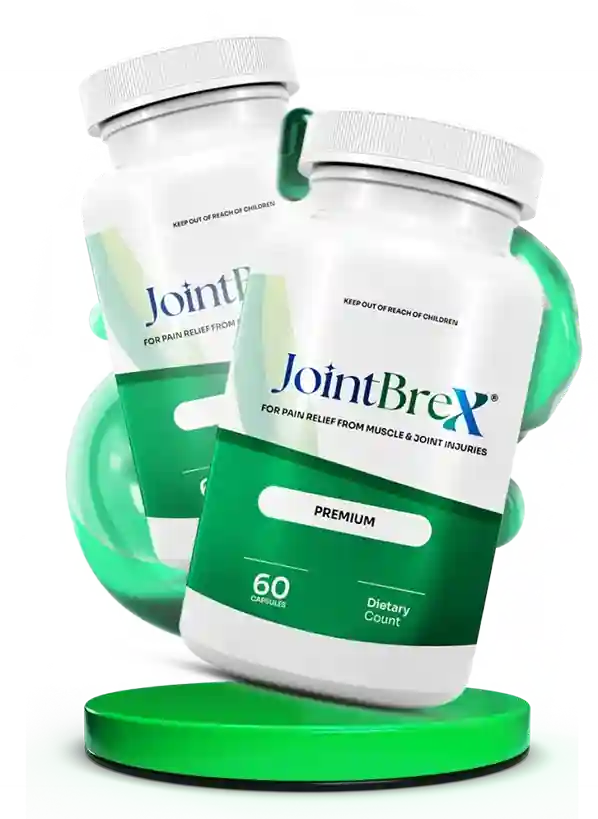
View the JointBrex formula, current pricing and the 60-day guarantee.
🧠 View JointBrexJoint pain evidence
Multiple randomised controlled trials have evaluated MSM specifically for joint discomfort. A double-blind, placebo-controlled trial published in Osteoarthritis and Cartilage found that MSM at 3g twice daily over 12 weeks produced statistically significant reductions in pain and physical function impairment compared to placebo, with no significant adverse effects reported. A systematic review of MSM trials in joint conditions concluded that MSM provides clinically meaningful pain reduction and functional improvement compared to placebo across multiple published studies.
What distinguishes MSM’s pain mechanism from conventional anti-inflammatories is its multiple simultaneous actions: anti-inflammatory effects (through NF-kB pathway modulation, similar to but distinct from Turmeric), antioxidant activity, and the structural collagen support mechanism described above. This multi-mechanism approach means MSM provides complementary benefits to both the anti-inflammatory and structural ingredients in JointBrex.
Recovery and oxidative stress
Exercise and daily mechanical loading of joints generates reactive oxygen species (ROS) as a normal metabolic byproduct of muscle and connective tissue activity. In people with joint discomfort who may already have elevated oxidative stress in joint tissues, this exercise-generated ROS can amplify inflammatory responses and delay tissue recovery. MSM contributes antioxidant activity through two pathways: directly, as a weak electron donor, and indirectly, by supporting glutathione synthesis (glutathione is the body’s primary intracellular antioxidant, and its synthesis requires cysteine — a sulfur-containing amino acid that MSM can help provide).
For people with joint discomfort who are trying to maintain or gradually increase physical activity, MSM’s combined pain-reducing, anti-inflammatory, and recovery-supporting effects address the exercise-related joint stress dimension that cartilage support ingredients alone cannot reach.
MSM in JointBrex
MSM provides two distinct contributions to JointBrex’s joint support formula that the other five ingredients do not address: organic sulfur for collagen and connective tissue synthesis, and antioxidant protection during the joint recovery process. Its anti-inflammatory properties provide additional support alongside Boswellia and Turmeric through a complementary (NF-kB modulating) rather than redundant pathway. Bromelain completes the formula’s action by clearing the inflammatory debris and improving circulation in joint tissue, making the connective tissue and cartilage support that MSM, Glucosamine, and Chondroitin provide more effective.
More articles
More on the JointBrex blog. Official site for pricing and guarantee.